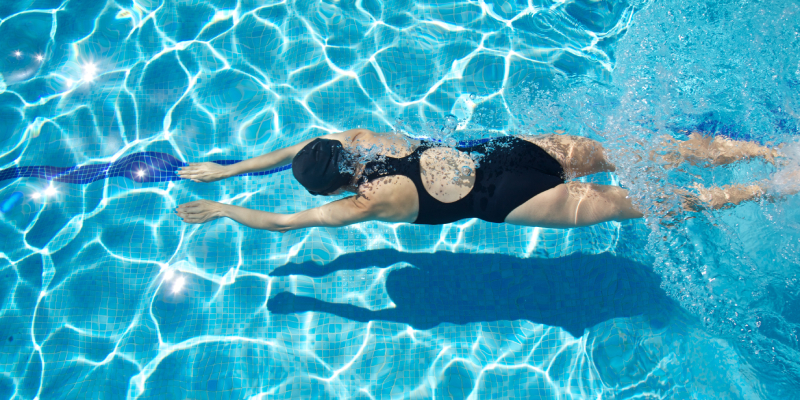
In the hustle of lively urban streets, those struggling with spinal issues often find surprising comfort in the water. Seen by experts as a critical exercise for rehabilitation, swimming shines as a beacon of hope for many. Its gentle approach tenderly cares for the body, providing numerous benefits—from strengthening core muscles to easing joint stress.
This blog dives into the therapeutic view of how aquatic therapy can be a potent relief for chronic pain. With insights from a spine doctor in Bangalore, let us uncover the transformative role of swimming in managing discomfort. Here is your guide to a more comfortable and active life.
The Benefits of Swimming for Back Pain
Swimming is widely regarded as a beneficial exercise for spinal health. This low-impact activity provides many advantages, especially for those aiming to bolster their back muscles without worsening their condition.
Swimming grants numerous benefits, such as:
- Lessening joint stress through buoyancy
- Boosting back and core strength
- Enhancing blood circulation
- Aiding in weight control to reduce spinal load
Swimming is highly recommended by a **back care specialist in Bangalore** for those looking for a gentle, effective way to tackle their pain without heavy medication.
The true secret weapon in aquatic therapy isn’t just the reduced gravity; it’s the principle of ‘hydrostatic pressure.’ The water gently squeezes your body evenly, which can actually help reduce mild swelling around irritated nerves and provide a constant, therapeutic proprioceptive input that ‘reminds’ your brain of proper spinal alignment—a benefit you simply cannot replicate on land.
Back Pain Types Suited for Swim Therapy
Individuals with sciatica, degenerative disc disease, and herniated discs often find swimming to be a relieving way to fortify their back muscles.
Sciatica and Swimming
Sciatica, marked by pain along the sciatic nerve from the lower back through the hips, can be crippling. Water buoyancy significantly lowers nerve pressure by supporting body weight. This pressure reduction, combined with gentle muscle strengthening, can lessen sciatica pain significantly.
Degenerative Disc Disease
When spinal discs wear down, it leads to stiffness and pain. The water’s supportive nature maintains spinal alignment and lessens the impact on the discs. Swimming boosts blood circulation to damaged tissues, aiding healing. Moreover, strengthening muscles around the spine supports weakened discs, potentially easing the symptoms of degenerative disc disease To Read More.
Relief for Herniated Discs
Swimming can be a soothing remedy for herniated disc sufferers. This condition occurs when a spinal disc’s soft centre pushes through a crack in the exterior casing. As the **best herniated disc surgeon** would suggest, gentle movements in water can help reduce compression on nerve roots, alleviating pain.
Beyond physical relief, the psychological benefits of weightlessness and freedom of movement contribute to overall well-being.
Best Swimming Strokes for Lower Back Pain
Choosing the correct swimming strokes is essential for rehabilitation. Particularly beneficial strokes include:
- Backstroke: Encourages a neutral spine alignment, avoiding twisting forces.
- Breaststroke: When done correctly, it is gentle, though care must be taken with the neck position.
These strokes are praised for their gentle impact. Adopting these movements initiates a cycle of pain relief and muscle fortification. It is crucial to avoid high-impact strokes like the butterfly, ensuring a comprehensive approach to back wellness.
Swimming Techniques and Gear
Using the right gear can make swimming even more effective. Using **snorkels and goggles** is especially beneficial for back pain sufferers. Snorkels allow swimmers to breathe without lifting their heads, maintaining neutral spine alignment and reducing neck strain.
Water aerobics is also highly recommended. The water’s buoyancy lightens the load on the spine and joints, allowing movements that might be impossible on land. Engaging in aquatic therapy boosts cardiovascular health and strengthens muscles without unnecessary strain.
Also Read: How Can Blood Tests Help Athletes Perform Better?
Empowering Your Path to Management
Reflecting on the journey through swimming’s therapeutic waters reveals this activity offers more than a refreshing escape. It is a testament to the body’s healing ability. Swimming not only eases immediate discomfort but also aids in preventing future episodes.
For those inspired to take their back health into their hands, remember that medical guidance is key. Consulting with a professional can further enhance this aquatic therapy’s benefits. Connect with us to learn more—your journey to relief and recovery is just a splash away.